As temperatures drop, your vehicle faces new challenges that can turn minor issues into major problems. Cooler weather puts extra stress on systems like the battery, tires, and engine, and it often reveals wear or damage that went unnoticed during warmer months.
Here are five common car problems that tend to worsen as the weather cools, along with tips on how to stay ahead of them.
1. Weak or Aging Battery
Car batteries work harder in cold weather. As the temperature drops, so does the battery’s ability to hold and deliver power. If your battery is more than three years old, it’s more likely to fail on a chilly morning.
Signs of a weak battery include slow cranking, dim lights, and dashboard warning lights. Getting it tested before the cold sets in can save you from needing a jump-start in a parking lot or driveway.
2. Low Tire Pressure and Worn Tread
Cold air causes tire pressure to drop. For every 10-degree drop in temperature, you can lose 1 to 2 PSI. Low pressure reduces traction, especially on wet or slick roads.
Worn tire tread becomes a bigger issue in fall and winter, when roads are often wet with rain or early frost. Have your tires inspected and make sure they’re properly inflated to maintain safe handling and braking.
3. Engine Oil Thickening
When it gets colder, engine oil thickens and doesn’t flow as easily. This can cause extra wear during startup and reduce engine efficiency.
Using the right grade of oil for your climate is important. If your car is due for an oil change, your technician can recommend an oil type that flows better in colder temperatures, improving cold starts and protection.
4. Cracked Belts and Hoses
Rubber components like belts and hoses tend to become brittle in cold weather. Any existing cracks, fraying, or swelling can quickly lead to a failure.
If a belt snaps or a hose bursts, it could leave you stranded or cause your engine to overheat. It’s best to replace worn parts before the temperatures drop further.
5. Cooling System Problems
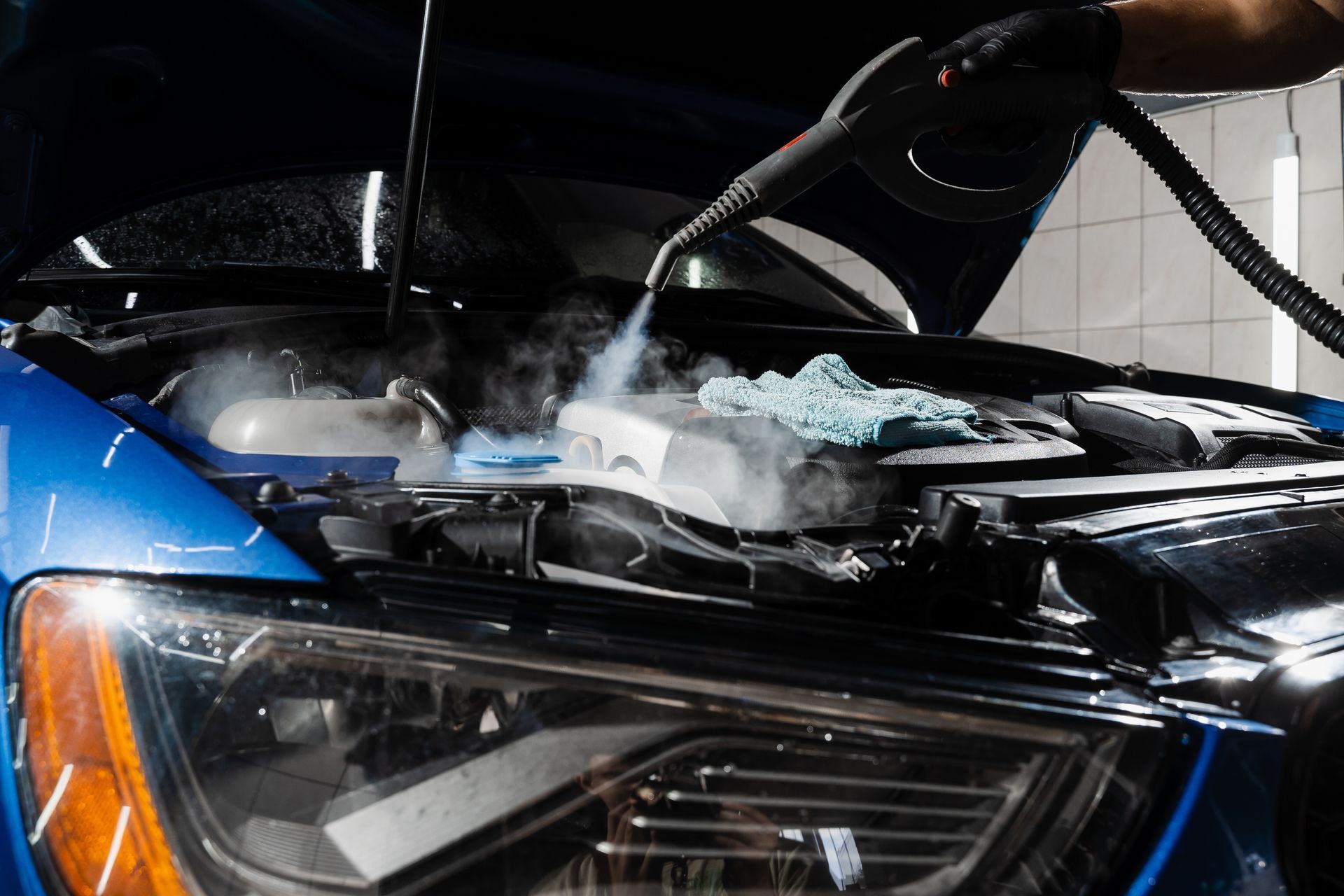
The cooling system doesn’t just prevent overheating in summer but also protects your engine from freezing in winter. Old or low coolant can lead to poor heat transfer and, in severe cases, engine damage.
A coolant flush and inspection can help ensure your heater works properly and that your engine is protected when outside temperatures dip below freezing.
Frequently Asked Questions About Cold Weather Car Problems
Why is my car harder to start in the cold?
Cold temperatures reduce battery power and make engine oil thicker, both of which can make the engine harder to turn over.
Should I warm up my car before driving in cold weather?
Modern cars don’t need to idle for long. Let it run for about 30 seconds, then drive gently until the engine warms up.
How often should I check tire pressure during the winter?
At least once a month. Cold weather causes air to contract, so pressure can drop quickly.
What happens if I skip replacing a worn belt?
You risk sudden breakdowns. A snapped serpentine belt can disable your alternator, water pump, or power steering.
Is it normal for warning lights to come on when it’s cold?
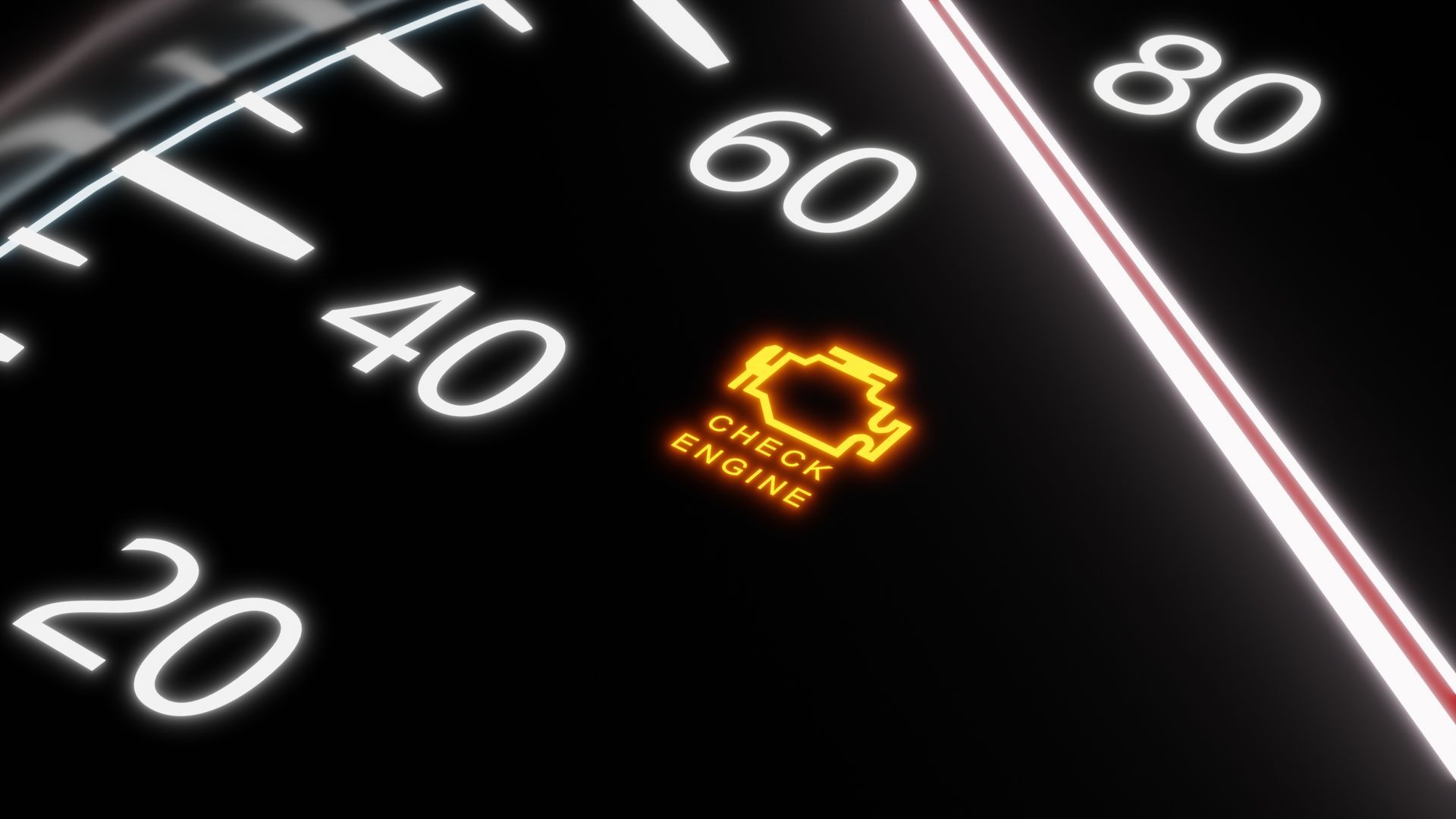
Some lights may flicker briefly during cold starts, but if they stay on, have your vehicle checked right away.
Stay Ahead of Cold-Weather Car Problems at Asmar’s Auto Care in Spring Valley, CA
Don’t let winter wear catch you by surprise. At Asmar’s Auto Care, our experienced team will inspect your battery, tires, fluids, and more to make sure your vehicle is ready for cooler weather. We help drivers in Spring Valley stay safe and confident, no matter the season.
Schedule your cold-weather maintenance today with
Asmar’s Auto Care and drive into the fall and winter months with peace of mind.