You park the car at night, and everything seems normal. The next morning, you glance at the wheels and see orange-looking rotors, or you hear a light scrape on the first stop. It can be unsettling, especially if you drove yesterday with no brake noise at all.
Most of the time, overnight rotor rust is a surface film that clears quickly. Other times, it is a sign that the brakes are not wearing evenly, or a vehicle is sitting long enough for rust to turn into a real drivability issue. Let’s break down why it happens and how to tell which situation you’re dealing with.
Why Brake Rotors Rust Overnight
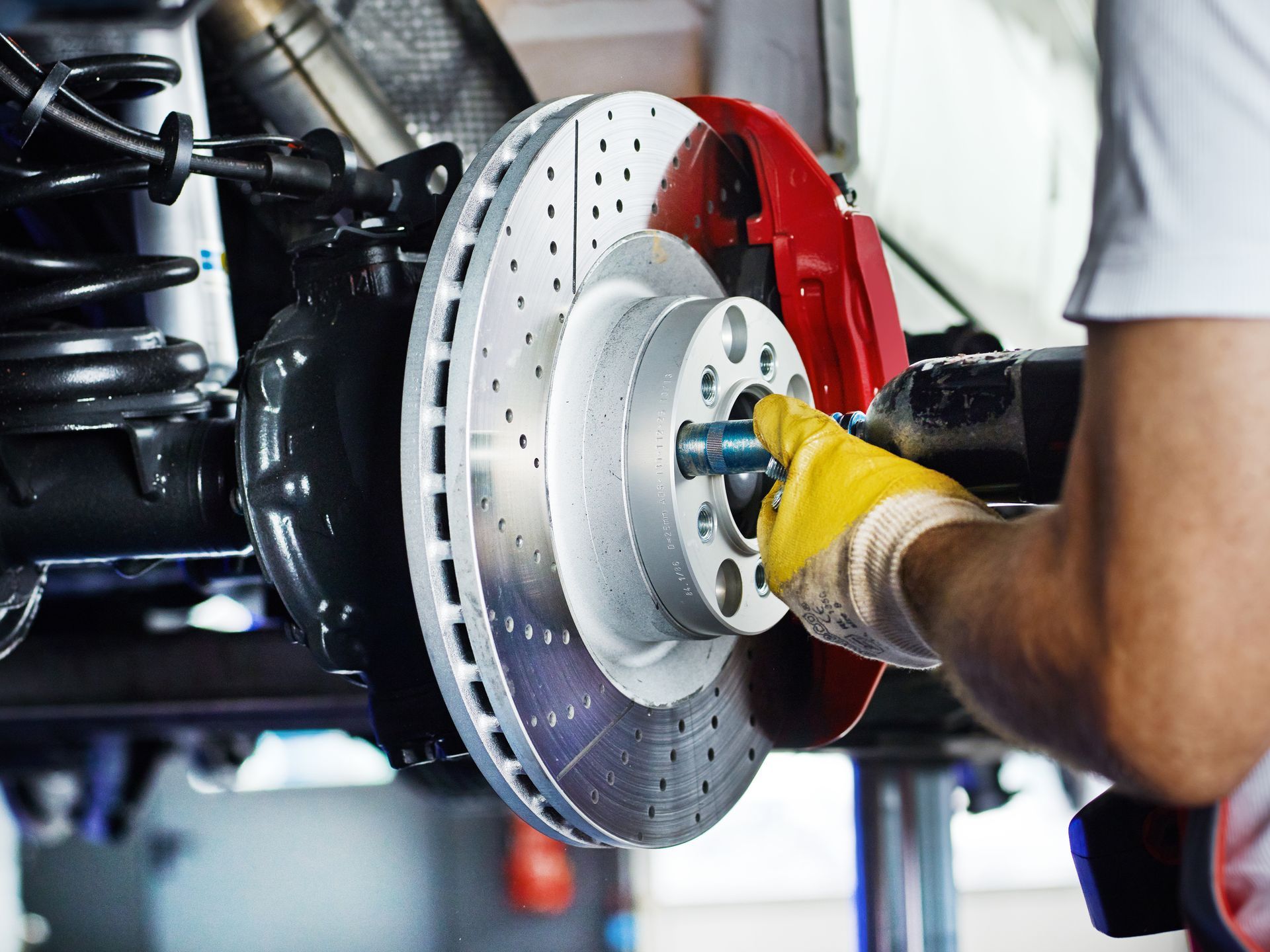
Brake rotors are bare metal. They do not have paint or a protective coating on the friction surface because the brake pads need clean metal contact to slow the vehicle. That bare surface is exposed to air and moisture every time you park.
Overnight, temperature drops and humidity can rise. Condensation forms on metal surfaces the same way it forms on glass. That thin moisture layer is enough to start oxidation, so you wake up to rust that was not visible the night before.
If it rained, you drove through puddles, or you washed the car late in the day, the rotor surface has even more moisture to work with. We see this constantly, and it can happen after only a few hours of sitting.
The Thin Rust Film Versus Real Corrosion
There is a big difference between light surface rust and deeper corrosion. Surface rust looks like a thin orange film. It usually wipes away the moment the pads contact the rotor a few times. You may hear a short squeak or scrape on the first couple of stops, then it fades.
Deeper corrosion looks rougher and more textured. You might see darker patches, pitting, or an uneven ring pattern that does not disappear after driving. That kind of rust can change how the pads bite, and it can make braking feel less consistent.
A simple clue is time. If the vehicle sat overnight and the rust clears quickly during your first drive, it is usually surface film. If the vehicle sat for several days, the rust has more time to bond and harden, and it may take longer to clear.
When Overnight Rotor Rust Is Normal
Light rotor rust is common, especially in humid climates, coastal air, and during seasonal temperature swings. It can also show up more when the vehicle is parked outside, even if the weather looks dry.
A little morning noise can be normal too. The pads are scraping off that film as they recondition the rotor surface. As long as the noise disappears after a few stops and the braking feel stays stable, it is usually not a problem.
If you only notice rust visually and you do not feel anything through the brake pedal, that often points to a harmless surface layer. The brakes are doing what they are designed to do, which is clean the rotor with normal use.
Signs Rust Is Turning Into A Brake Problem
Rust becomes more than cosmetic when it starts affecting the contact between the pad and the rotor. That can happen if the vehicle sits often, if the pads are not bedding evenly, or if a caliper is not applying pressure consistently.
Here are signs that suggest the rust is not clearing like it should:
- The scrape or squeal lasts through multiple drives, not just the first few stops
- Braking feels pulsing, like a vibration through the pedal or steering wheel
- You feel a grabbing sensation on the first stop that does not fade
- The rotors look blotchy or pitted even after normal driving
- The vehicle pulls slightly when braking, which can point to uneven brake force
If you notice any of these, it is worth having the brakes inspected. Rust can create uneven surfaces, and uneven surfaces can accelerate pad wear.
Why Some Cars Rust Faster Than Others
Driving pattern matters. Short trips and light braking do not generate as much heat, so the rotor surface stays cooler and moisture lingers longer. Vehicles that sit for days at a time can develop heavier rust simply because the pads are not wiping the rotors regularly.
Pad material can play a role as well. Some pad compounds clean rotors faster. Others are quieter day-to-day but can leave a little more film behind. Parking conditions matter too. Parking under trees, near sprinklers, or in a consistently damp spot can speed up rust formation.
Brake hardware condition matters in a quieter way. If a caliper slide is sticking or a pad is not moving freely, you can get uneven contact. Uneven contact means some areas of the rotor get cleaned while other areas keep rusting.
What To Do If You Hear Noise On The First Stops
If it is light surface rust, you usually just need normal braking to clear it. If the noise is louder than usual or the pedal feel changes, it is better to treat it as a warning sign rather than hope it goes away.
A few practical steps can help you handle it safely:
- Drive a short loop and use a few normal, controlled stops to see if the sound fades
- Avoid slamming the brakes repeatedly because hard stops on a rusty surface can create uneven pad deposits
- If the brake pedal pulses, stop driving and schedule an inspection soon
- If the dashboard brake or ABS warning light comes on, get it checked before continuing normal driving
- If the car has been sitting for a week or more, expect heavier rust and plan on a brake check if it does not clear quickly
We’ve seen cases where drivers assumed it was normal surface rust, but the real issue was a sticking caliper that kept one pad from contacting the rotor evenly.
Get Brake Inspection in Spring Valley, CA, with Asmar's Auto Care
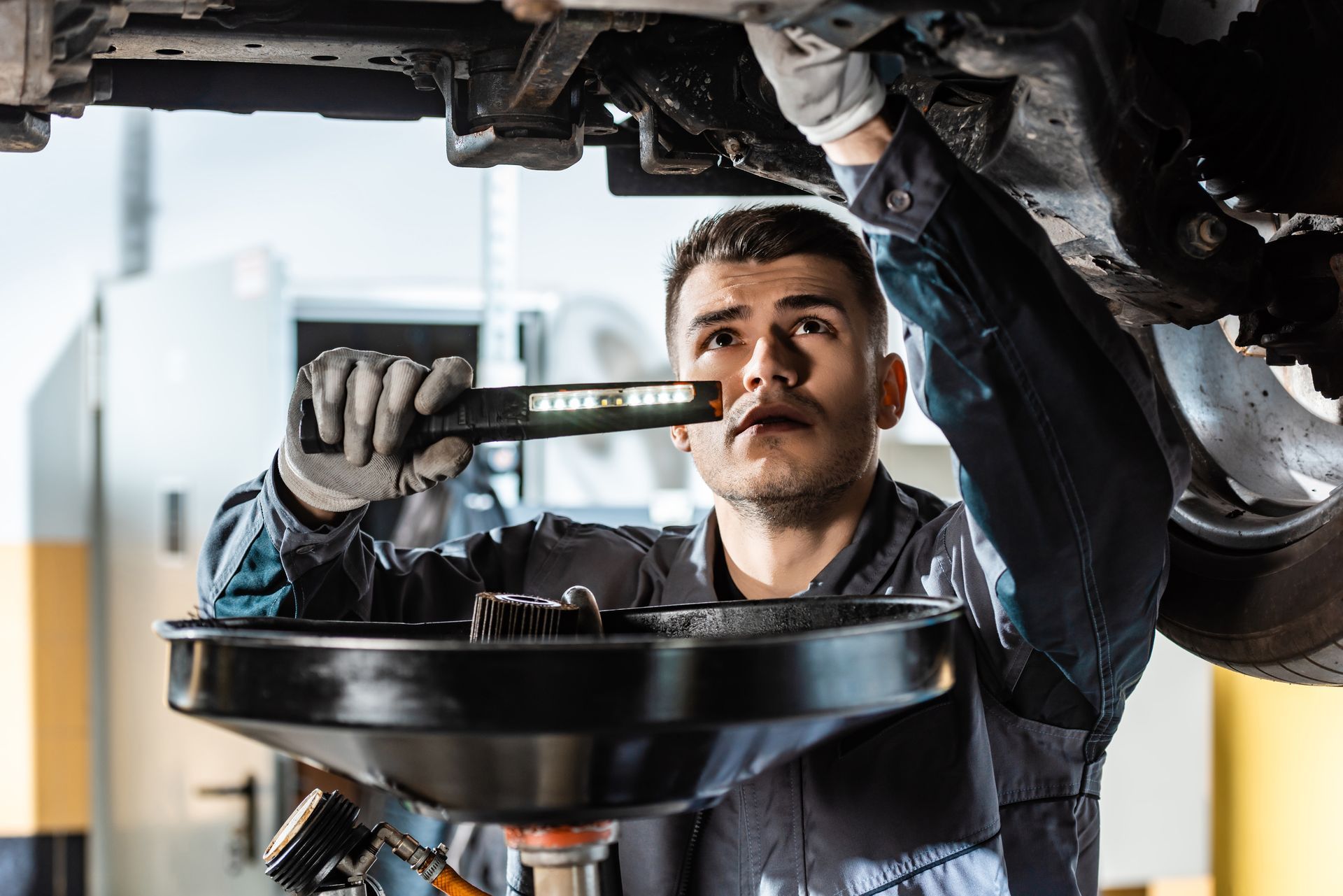
We can inspect your rotors, pads, and calipers to confirm whether overnight rust is normal surface film or a sign of uneven braking wear. We’ll explain what we find in plain language and recommend the repair only if it’s actually needed.
Call
Asmar's Auto Care in Spring Valley, CA, to schedule a brake inspection and get your stopping feel back to predictable.