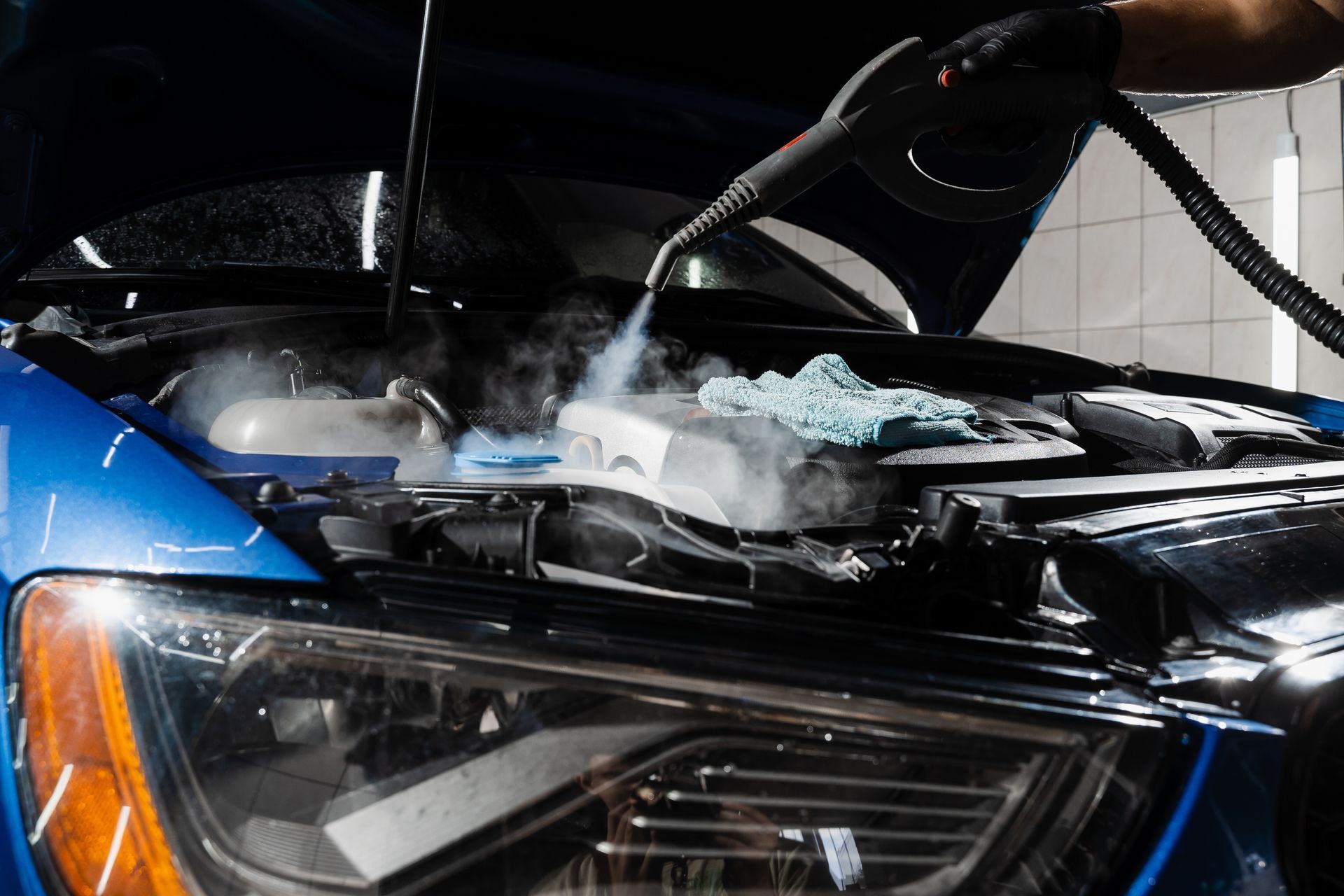
Most drivers know about oil, air, and cabin filters, but the cooling system is different. Coolant moves heat from the engine to the radiator, yet there usually is not a traditional “coolant filter” like you find in the oiling system.
Still, the system does have parts that protect against debris, and there are smart maintenance steps that keep passages clean and flow strong.
What Your Cooling System Does
The water pump circulates coolant through the engine, absorbing heat and sending it to the radiator. The thermostat controls the flow so the engine reaches and holds operating temperature. Hoses connect everything, and the heater core uses the same hot coolant to warm the cabin. When any piece is restricted, temperatures climb and the gauge starts to creep. That is when our technicians look for the cause, not just the symptom.
So, Is There a Coolant “Filter”?
On most modern passenger cars, no. There is no dedicated, replaceable coolant filter like an oil filter. Instead, engineers use a few safeguards. The radiator has fine tubes and tanks that trap small debris, the overflow bottle catches sediment as coolant expands and contracts, and some thermostats and heater core inlets use small screens or orifices to calm flow and keep big particles out. These are not service filters in the usual sense, but they act like one when contamination is present.
Where Does Debris Come From?
Three common sources show up in our Spring Valley bays. Old coolant breaks down and the corrosion inhibitors wear out, which lets metal oxidize inside passages. Stop leak products can leave gritty residue that settles in corners and heater cores. Finally, failing water pumps or deteriorating hoses shed tiny particles. If a head gasket begins to fail, oil can enter the coolant and form sludge that coats tubes. Once the mix gets dirty, narrow passages in radiators and heater cores are the first to suffer.
Do Any Vehicles Use Real Coolant Filters?
Yes, mainly heavy duty diesels and some commercial platforms. They run larger cooling systems that benefit from a spin-on filter canister in the hose circuit. Those filters can also carry slow-release additives to maintain coolant chemistry. On passenger cars, a retrofit filter is unusual, but we have seen custom solutions for vehicles with chronic debris issues. Most daily drivers are better served by proper fluid service and part replacement when wear is found.
Symptoms of a Dirty or Restricted Cooling System
Watch for a temperature gauge that wanders in traffic but settles on the highway, weak cabin heat on cold mornings, or a gurgling sound behind the dash after startup. A brown or cloudy overflow bottle, dried crust at hose joints, or a sweet smell after parking also deserve a look. If an engine starts to run hot at low speed and cool off at cruise, the radiator may be partially restricted. Our team measures the temperature drop across the radiator and checks the heater core inlet and outlet temperatures to confirm flow.
Maintenance That Works Like a Filter
Coolant does not last forever. Replacing it on time is the single best way to prevent scale and corrosion. During a proper service, we inspect the cap, pressure test the system, and use equipment to exchange old fluid for new that meets the correct spec. We avoid harsh flush chemicals unless we are chasing a known contamination problem, because aggressive solvents can loosen debris too quickly and move the clog downstream. New hoses and a water pump at the right interval also stop rubber and bearing material from shedding into the circuit.
How We Check Cooling System Health
At our repair shop, we start with a visual inspection and a block test to determine if there are signs of combustion gases in the coolant. We scan for thermostat operation and fan command, check for cold spots on the radiator, and compare heater core inlet and outlet temperatures. If the flow looks marginal, we inspect the water pump for wobble or seepage and examine the overflow bottle for sediment.
When service is due, we use the correct coolant for your make, bleed air properly, and road test under load to confirm stable temperatures and strong cabin heat.
Get Professional Cooling System Service in Spring Valley with Asmar’s Auto Care
If your gauge creeps, the heater feels weak, or the coolant looks cloudy, bring your car to our Spring Valley team. We will test the system, restore flow with the right service, and replace worn parts before they create bigger problems.
Schedule a visit with
Asmar’s Auto Care to keep your engine cool, your heater strong, and your drives stress-free.