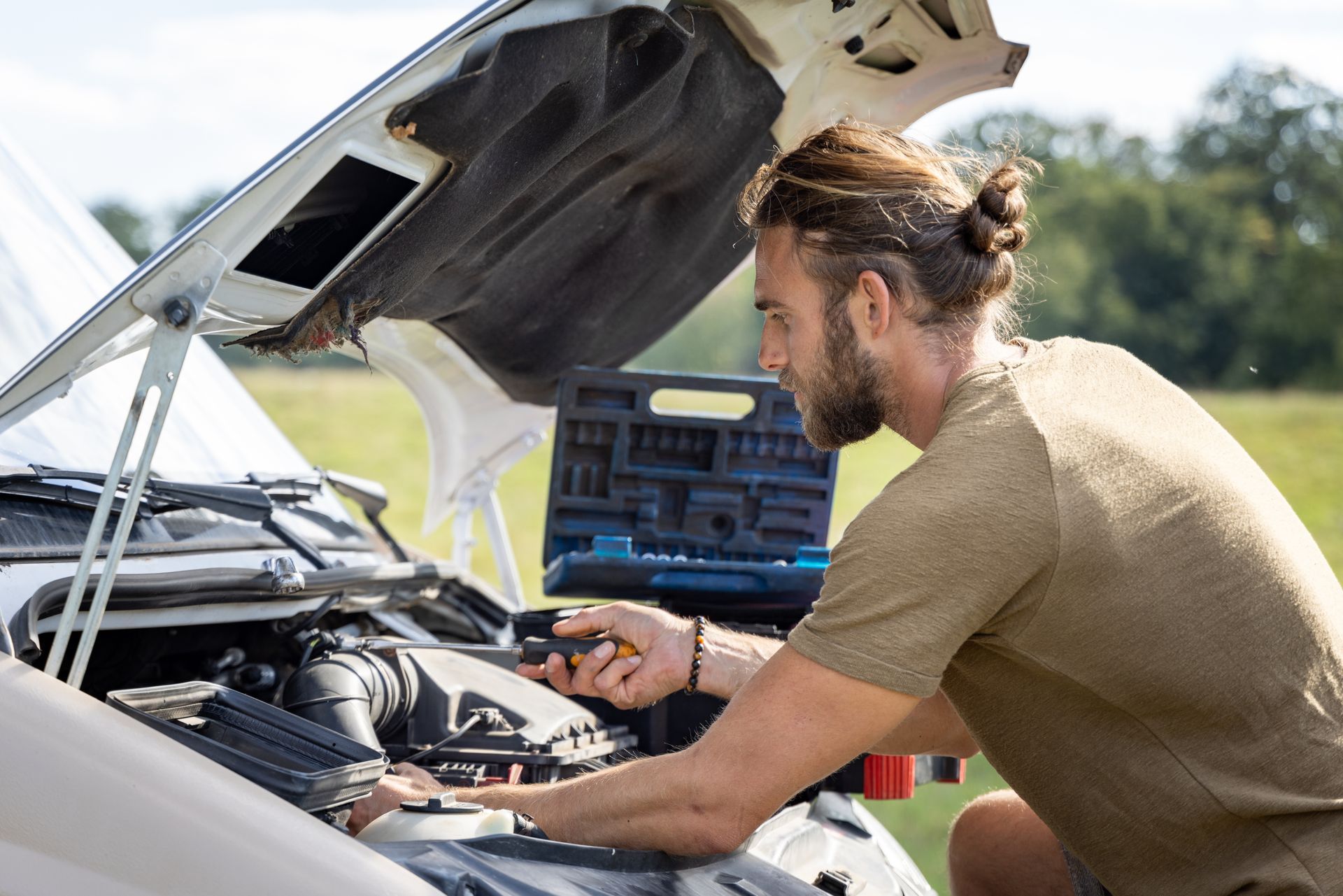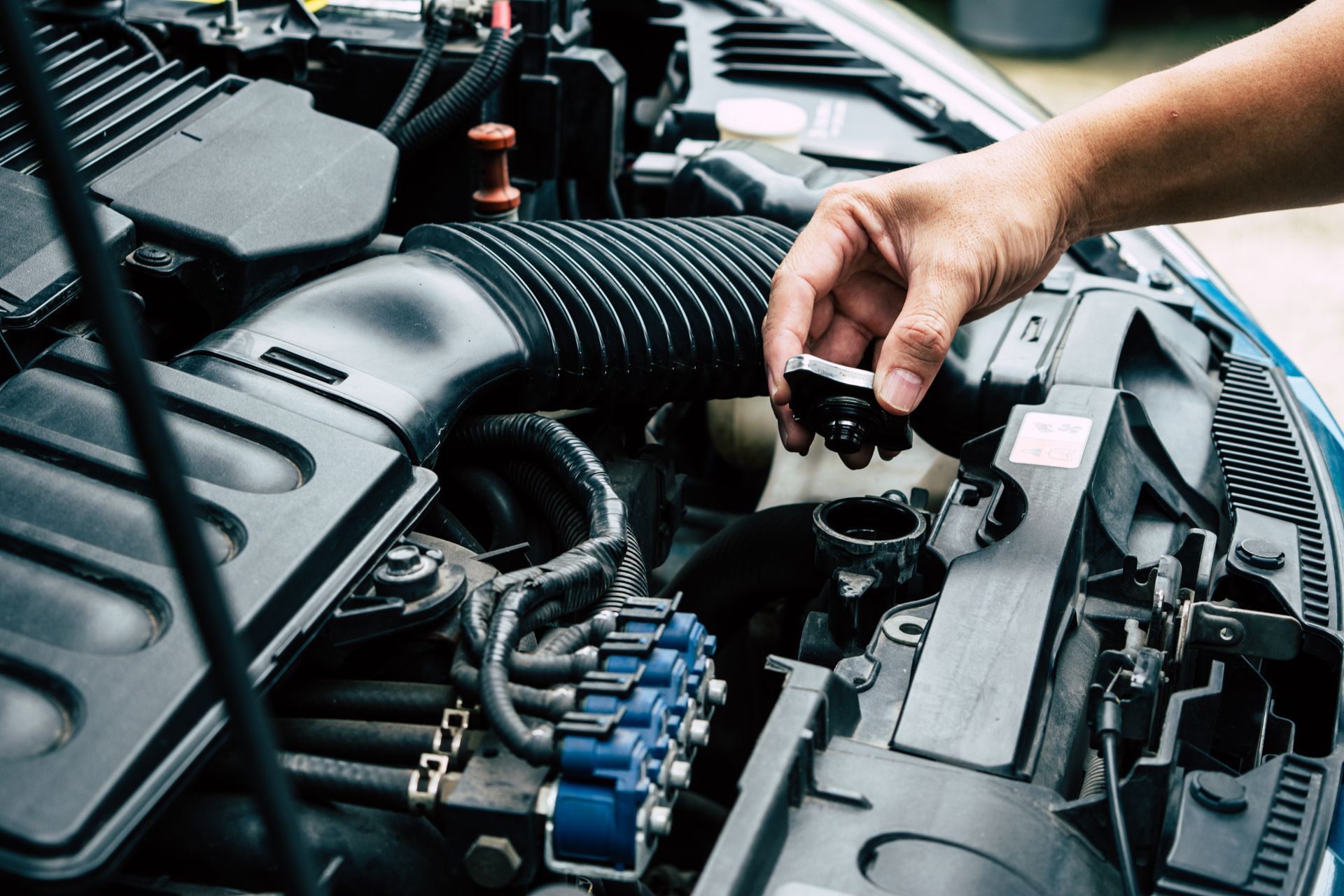
Most people notice the engine bay when they’re topping off washer fluid, checking oil, or trying to find a slow leak that left a spot on the driveway. Dirt, baked-on grime, and old residue make everything look the same, and that can hide problems you would otherwise catch early.
A clean engine bay is easier to live with.
Steam Cleaning And Pressure Washing Are Not The Same
Pressure washing relies on force. It pushes a lot of water quickly, and it can blast dirt off fast, but it also pushes water into places that were never meant to get soaked. Steam cleaning relies on heat and controlled moisture, so it lifts grime without flooding the area.
This difference matters more on modern vehicles than it did years ago. Today’s engine bays are packed with connectors, sensors, modules, and wiring routes that do not tolerate water intrusion well. Cleaning should remove grime without turning the engine bay into a soaked electronics cabinet.
What Can Go Wrong When Water Is Forced Into The Wrong Places
High-pressure water can get past connector seals, work its way into coil boots, and soak areas that need to stay dry. Even if the engine starts right after, moisture can sit in a connector and create corrosion later. That’s when you get intermittent misfires, odd warning lights, or a no-start on a humid morning.
Pressure also creates its own problems. It can peel labels, dislodge fragile vacuum lines, and force debris deeper into crevices instead of removing it. We’ve also seen pressure washing bend fins on radiators and coolers, which reduces airflow and heat transfer.
Why Steam Is Safer For Modern Wiring, Sensors, And Connectors
Steam uses heat to loosen oil film and grime, then wipes or rinses them away with far less water. Less water means less chance of pooling around coil packs, fuse boxes, and module connectors. It also reduces the chance of saturating insulation and leaving trapped moisture that takes days to dry.
Heat also helps with the kind of sticky contamination you actually want gone. Road film, oil mist, and old grime do not always respond to water pressure alone. Steam softens and breaks that bond, which lets you clean effectively without attacking the engine bay with force.
Prep Steps That Protect Your Engine Bay
Before any cleaning starts, the safest approach is preparing the engine bay so sensitive areas stay protected. This is where DIY jobs often go wrong, because skipping prep is what turns a cleaning project into an electrical problem.
Here are smart prep steps that reduce risk:
- Let the engine cool so heat does not bake cleaners onto surfaces
- Cover the alternator and exposed intake openings if they are vulnerable
- Avoid spraying directly at fuse boxes and main electrical distribution points
- Use the right cleaner for the contamination, not a harsh all-purpose chemical
- Do a quick visual check for cracked boots, broken clips, or loose connectors first
If you already see brittle wiring, cracked coil boots, or loose connectors, treat cleaning as a careful job, not a quick blast-and-go.
After-Cleaning Steps That Prevent No-Start And Corrosion
The goal is not just a clean look, it’s a clean look that stays reliable. After cleaning, you want to remove any remaining moisture from seams and connector areas, then confirm everything is seated properly. A careful wipe-down and controlled drying step prevent the common issues people blame on cleaning when the real problem is trapped moisture.
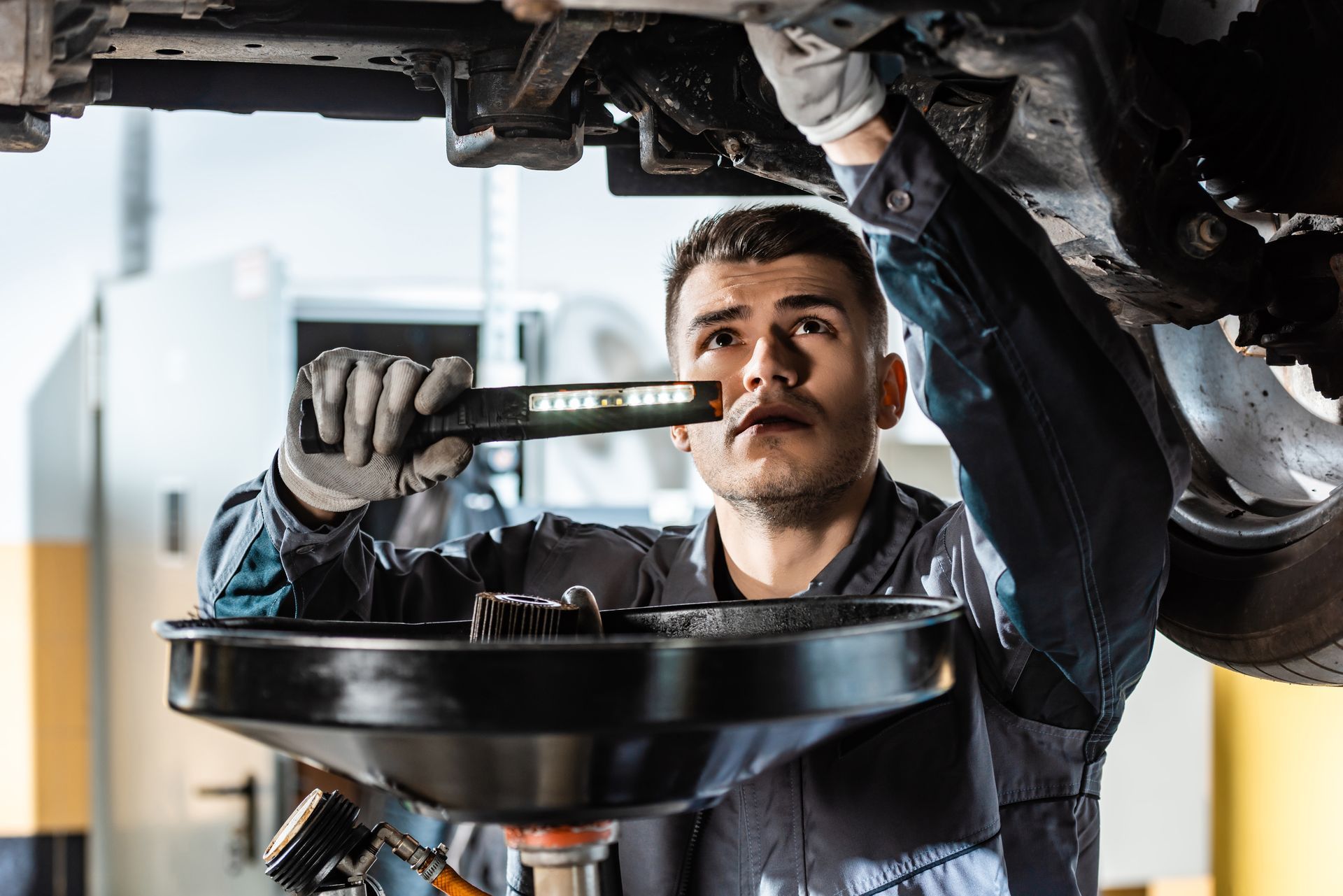
This is also a good moment to do regular maintenance checks that you were already going to do. Look for fresh seepage, cracked hoses, or loose clamps while the area is clean enough to spot changes. A clean engine bay makes leak tracking and future service easier, which is one reason steam cleaning makes sense when you want the job done safely.
When To Skip DIY And Schedule A Professional Engine Bay Cleaning
If your vehicle has a history of misfires, moisture-sensitive ignition parts, or previous electrical repairs, caution is worth it. The same applies if you are dealing with heavy oil residue from a leak, since that mess often needs the right chemicals and technique to remove without spreading it everywhere. A professional approach also helps if you want a true before-and-after result without risking connectors, sensors, or underhood insulation.
The best time to get it done is when you can pair it with an inspection for leaks or worn components. Cleaning can reveal what was hidden, but you still need trained eyes to interpret what you’re seeing and confirm nothing is deteriorating underneath.
Get Engine Steam Cleaning In Spring Valley, CA With Asmar's Auto Care
If you want a cleaner engine bay without the risks that come with blasting water into sensitive areas, steam cleaning is the safer path, and it makes future leak checks much easier. Schedule your service with Asmar's Auto Care in Spring Valley, CA, and we’ll clean it the right way while keeping wiring, sensors, and connectors protected.
You’ll pop the hood and actually feel good about what you see.