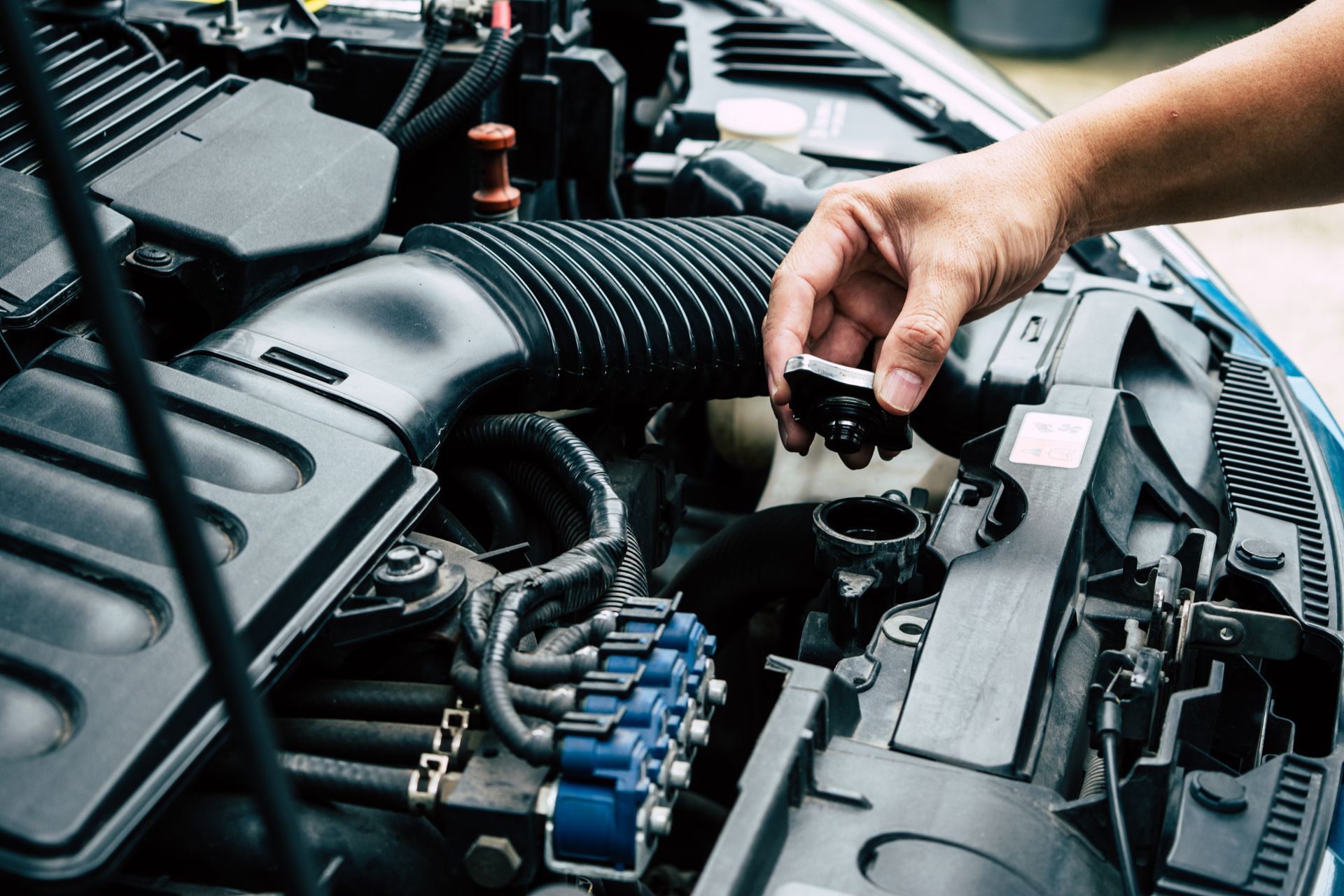
A clean engine bay feels satisfying. Grease is gone, dust is washed away, and everything looks newer for a little while. The problem is that engines are not patio furniture. Water, chemicals, heat, and electrical connectors do not always get along.
A rushed engine cleaning can create problems the car did not have before.
Some cleaning is fine when it is done carefully. The trouble starts when drivers use too much pressure, the wrong cleaner, or spray water into places that were never meant to be soaked.
1. Using A Pressure Washer Too Close
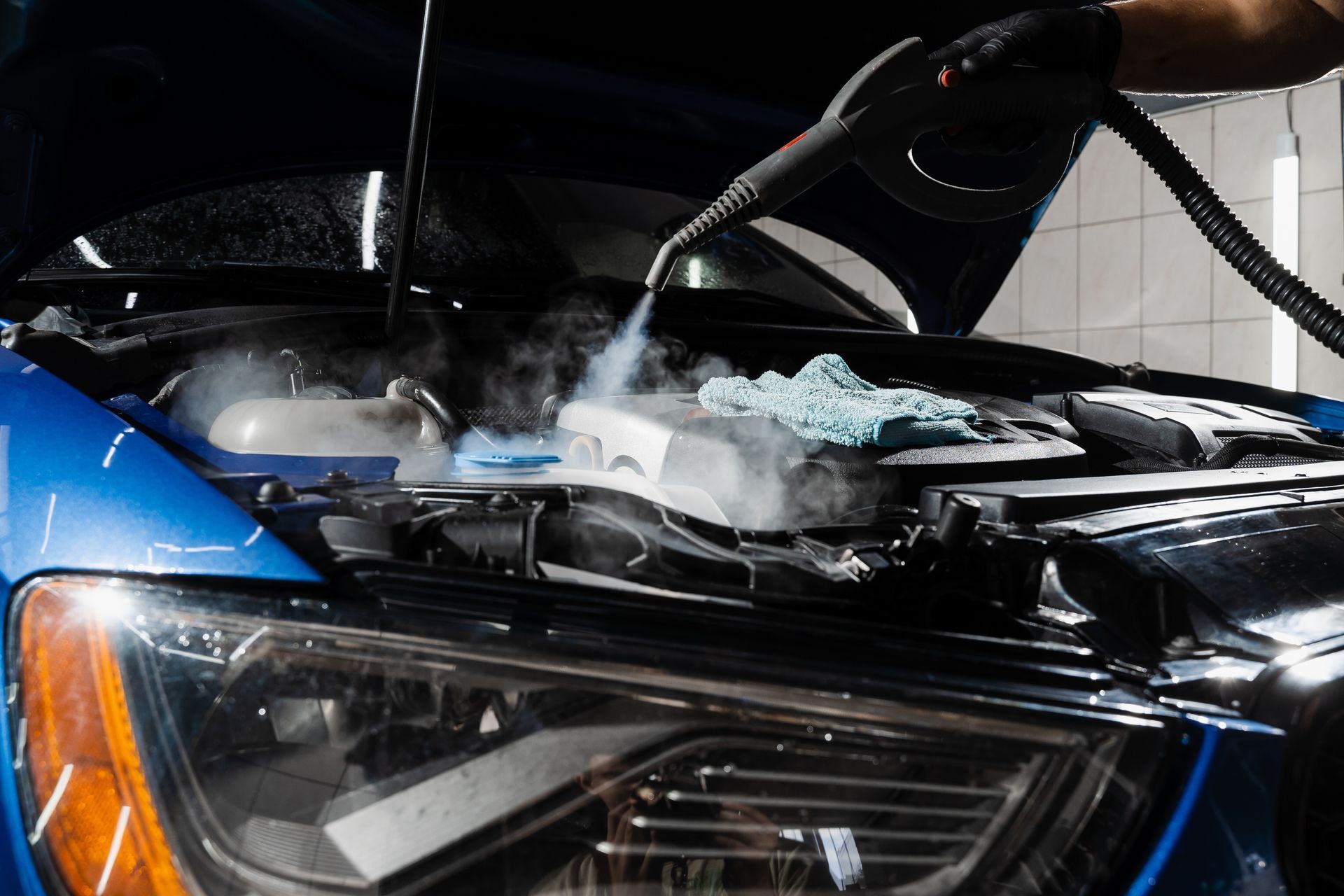
A pressure washer can make an engine bay look clean fast, but it can also force water past seals, connectors, and covers. Electrical plugs are designed to handle road splash and normal moisture. They are not designed for a concentrated blast of water at close range.
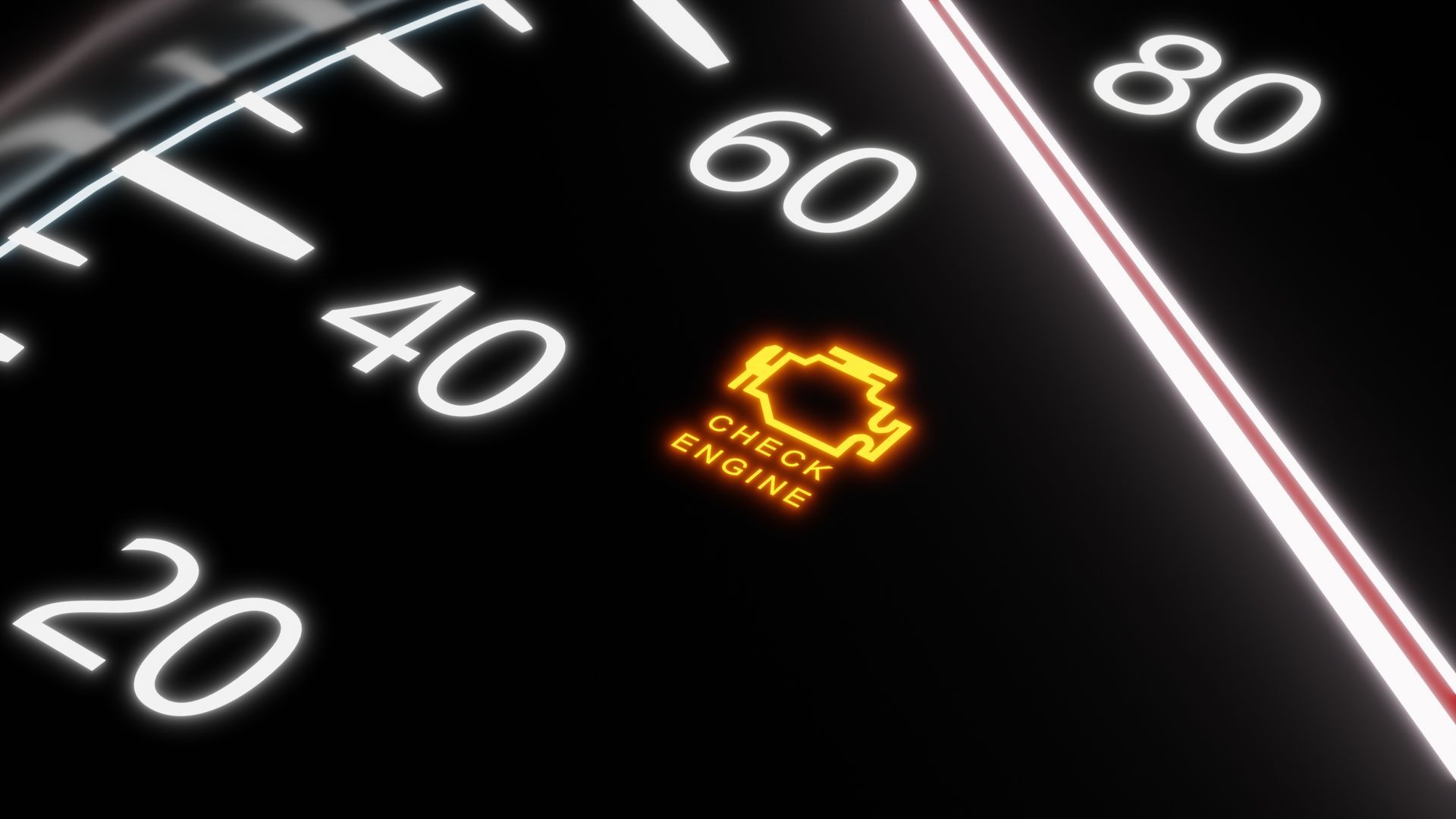
That water can reach ignition coils, sensor connectors, fuse boxes, alternators, and wiring harnesses. The car may start fine right after cleaning, then misfire, stumble, or show a warning light later. Moisture trapped inside a connector can also cause corrosion, leading to problems weeks after the wash.
If water is used, low pressure and careful direction matter. The goal is to rinse dirt away, not drive water into every seam under the hood.
2. Spraying The Engine While It Is Hot
A hot engine and cold water don't mix well. Metal, plastic, rubber, and sensors all expand with heat. Spraying cold water onto very hot parts can cause rapid temperature changes that are rough on components.
Exhaust parts, plastic covers, coil housings, and brittle connectors can all react badly. Steam can also push moisture into places you do not want it. A hot alternator or sensor connector does not need a sudden bath.
Let the engine cool before cleaning. Warm is manageable. Too hot to comfortably work around is too hot to wash. We see avoidable problems when cleaning happens right after a drive, especially when someone is trying to finish the job quickly.
3. Using Harsh Degreasers On Rubber And Plastic
Strong degreasers can cut through oil, but they can also dry out rubber, fade plastic, and weaken labels or coatings. Engine bays are full of hoses, seals, boots, wiring insulation, covers, and plastic fittings. Those parts need to stay flexible and sealed.
A cleaner that is too harsh, or left sitting too long, can cause rubber to swell, dry, or crack faster. It can also leave residue that attracts more dirt later. Some chemicals are not safe for aluminum or painted surfaces either.
Use cleaners made for automotive engine areas and follow the directions. More chemicals do not mean a better job. It usually means more cleanup risk.
4. Soaking The Air Intake, Alternator, Or Fuse Box
Some areas of the engine bay require extra caution. The air intake should not take in water. The alternator should not be soaked. Fuse boxes, relays, battery terminals, exposed grounds, and aftermarket wiring should be kept as dry as possible.
Water in the intake can become serious fast. Water in electrical parts can create no-start issues, charging problems, warning lights, rough running, or strange electronic behavior. Sometimes the symptoms appear immediately. Sometimes they show up after the car sits and moisture settles into a connector.
Cover sensitive areas before cleaning and avoid spraying directly at them. If you are not sure what should be protected, that is a good reason to leave the job to someone who knows the layout.
5. Cleaning Away Leak Evidence Before A Shop Visit
This one surprises people. If the vehicle has an oil leak, coolant smell, power steering leak, or greasy buildup, washing everything right before a shop visit can make the problem harder to find. The leak did not go away. The evidence did.
A technician often looks for the highest fresh wet spot, dried coolant residue, oil trails, spray patterns, and dirt stuck to new fluid. If the whole engine bay has just been scrubbed, those clues may disappear for a while.
If you already suspect a leak, let one of our technicians inspect it before cleaning. After the source is found, the area can be cleaned and rechecked. That gives a much clearer answer than washing first and waiting for the leak to show itself again.
How To Clean An Engine Bay More Safely
Engine cleaning should be controlled, not aggressive. Let the engine cool, protect electrical parts, use gentle cleaners, rinse lightly, and dry the area well before driving. Avoid blasting connectors and avoid flooding low areas where water can sit.
A cleaner engine bay can make regular maintenance easier because leaks, cracked hoses, and worn belts are easier to spot. It just needs to be done in a way that does not create new electrical or drivability problems.
Get Engine Cleaning Advice In Spring Valley, CA, With Asmar's Auto Care
If your car has warning lights, rough running, leaks, or electrical issues after engine cleaning, Asmar's Auto Care in Spring Valley, CA, can perform an inspection and track down what was affected.
Schedule a visit before a cosmetic cleaning mistake turns into a confusing engine problem.