A car that shakes only when you accelerate uphill is giving a pretty specific clue. It may feel fine on flat roads, coast without any shaking, and idle normally at stoplights. Then the road climbs, you press the gas a little harder, and the vibration shows up.
That usually means the problem appears under load. Uphill driving makes the engine, transmission, axles, mounts, and fuel system work harder. A weak part that can hide during easy driving may start acting up once the vehicle needs more power.
Uphill Acceleration Puts The Engine Under Load
When you climb a hill, the engine has to produce more torque to keep the vehicle moving. That extra load can expose problems that do not show up during light cruising. A small misfire, weak mount, worn axle, or fuel delivery issue may only become noticeable when the engine is working harder.
Pay attention to the pattern. Does the shake happen only when you press the gas? Does it stop when you let off? Does it get worse with passengers, cargo, or A/C use? Those details help a technician separate engine trouble from drivetrain or tire problems.
Engine Misfires Can Feel Like A Shake
A misfire is one of the most common causes of a car shaking during uphill acceleration. The engine needs a strong spark, the right amount of fuel, good airflow, and proper compression. If one cylinder does not fire correctly under load, the car can stumble, shake, or feel like it is losing power.
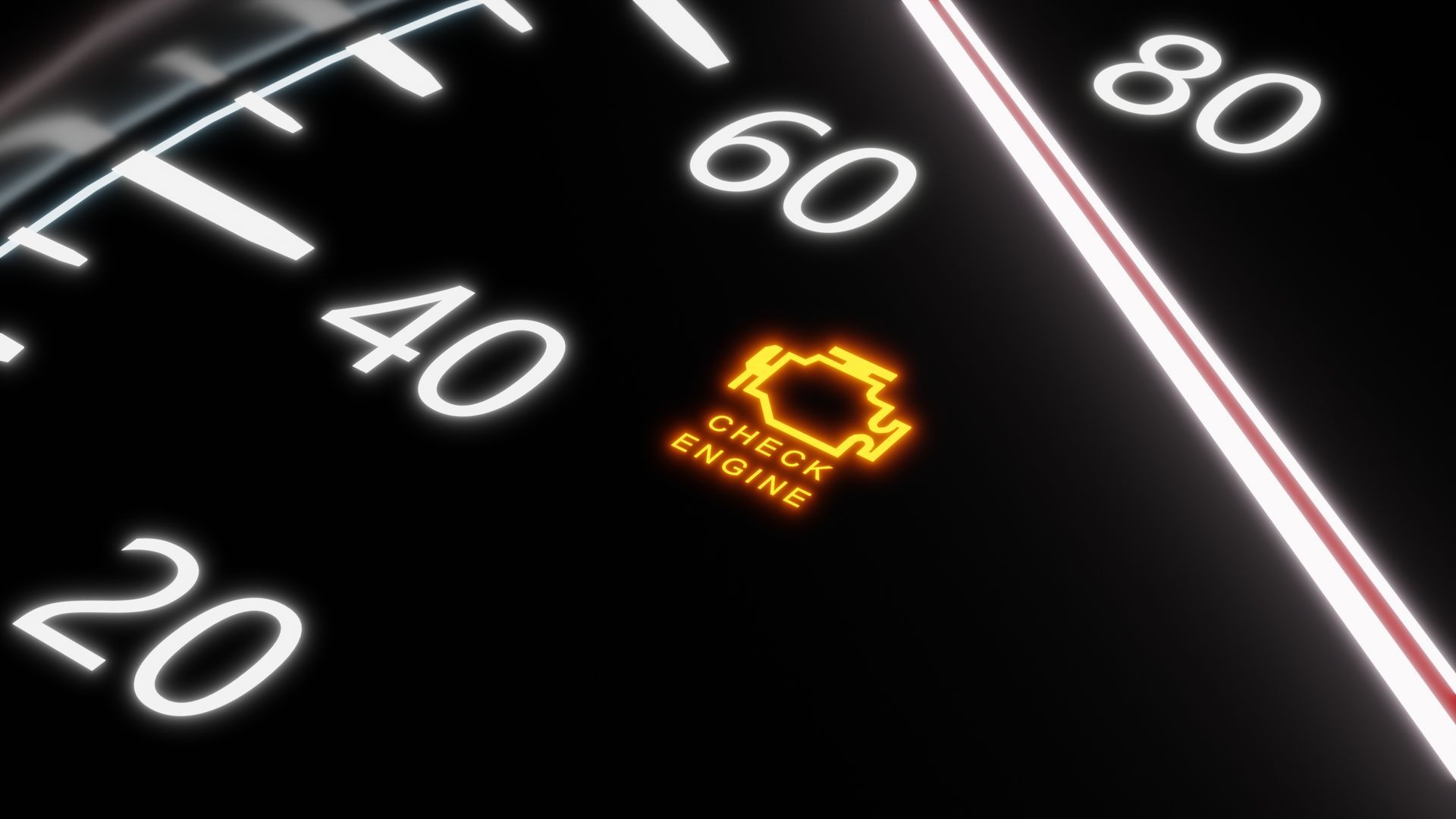
Worn spark plugs, weak ignition coils, fuel injector trouble, vacuum leaks, or low compression can all cause misfires. A misfire may feel mild on flat roads but become more obvious on hills because the engine is being asked to work harder. If the check engine light flashes, ease off the throttle and have the vehicle checked soon.
Weak Engine Or Transmission Mounts
Engine and transmission mounts hold the drivetrain in place while absorbing vibration. When a mount cracks, collapses, or separates, the engine can move too much under acceleration. That movement can create a thump, shake, or heavy vibration that disappears when you coast.
Bad mounts can be hard to notice during gentle driving. Uphill acceleration puts more torque through the drivetrain, so the movement becomes easier to feel. You might also notice a clunk when shifting into drive or reverse, or a jolt when pressing and releasing the gas pedal.
CV Axle Or Driveshaft Problems
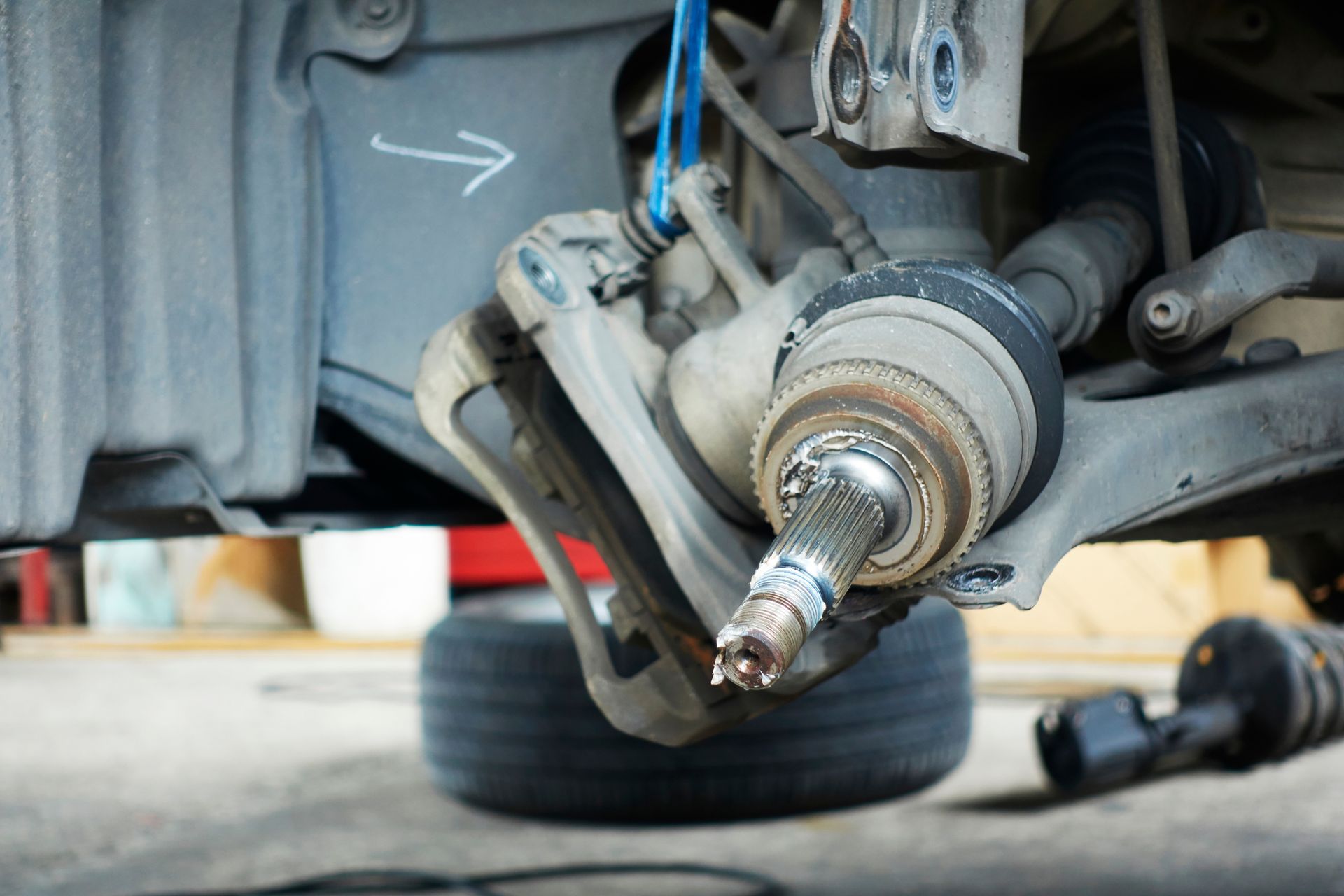
Axles and driveshafts transfer power to the wheels. When one of those parts wears, bends, or develops play, it can vibrate while power is being applied. The shake may come through the floor, seat, steering wheel, or front of the car.
A worn inner CV joint can create vibration during acceleration without making the classic clicking sound during turns. On rear-wheel-drive or all-wheel-drive vehicles, driveshaft balance, U-joints, carrier bearings, and axle angles may need to be checked. If the shaking stops when you lift off the gas, drivetrain parts deserve a close inspection.
Transmission Or Torque Converter Shudder
Some of the uphill vibrations come from the transmission or the torque converter. A torque converter shudder can feel like driving over a rough patch of road, especially during light to moderate acceleration. It may appear at certain speeds or when the transmission is trying to hold a higher gear under load.
Old fluid, low fluid, worn internal parts, software concerns, or pressure problems can all affect transmission behavior. If the shake comes with slipping, delayed shifts, harsh shifts, or a burning smell, do not wait too long. Transmission heat builds quickly when the vehicle struggles uphill.
Fuel And Air Problems Can Show Up On Hills
A car needs more fuel and air when climbing a hill. If the fuel pump is weak, the filter is restricted, the mass airflow sensor is dirty, or the air intake has a leak, the engine may not get what it needs under load. The result can feel like shaking, surging, hesitation, or weak acceleration.
These problems may not be obvious around town. The engine has enough power for easy driving but struggles on steep roads. Regular maintenance helps reduce these issues by keeping filters, spark plugs, fluids, and performing basic checks on schedule.
Tires And Suspension Still Need To Be Checked
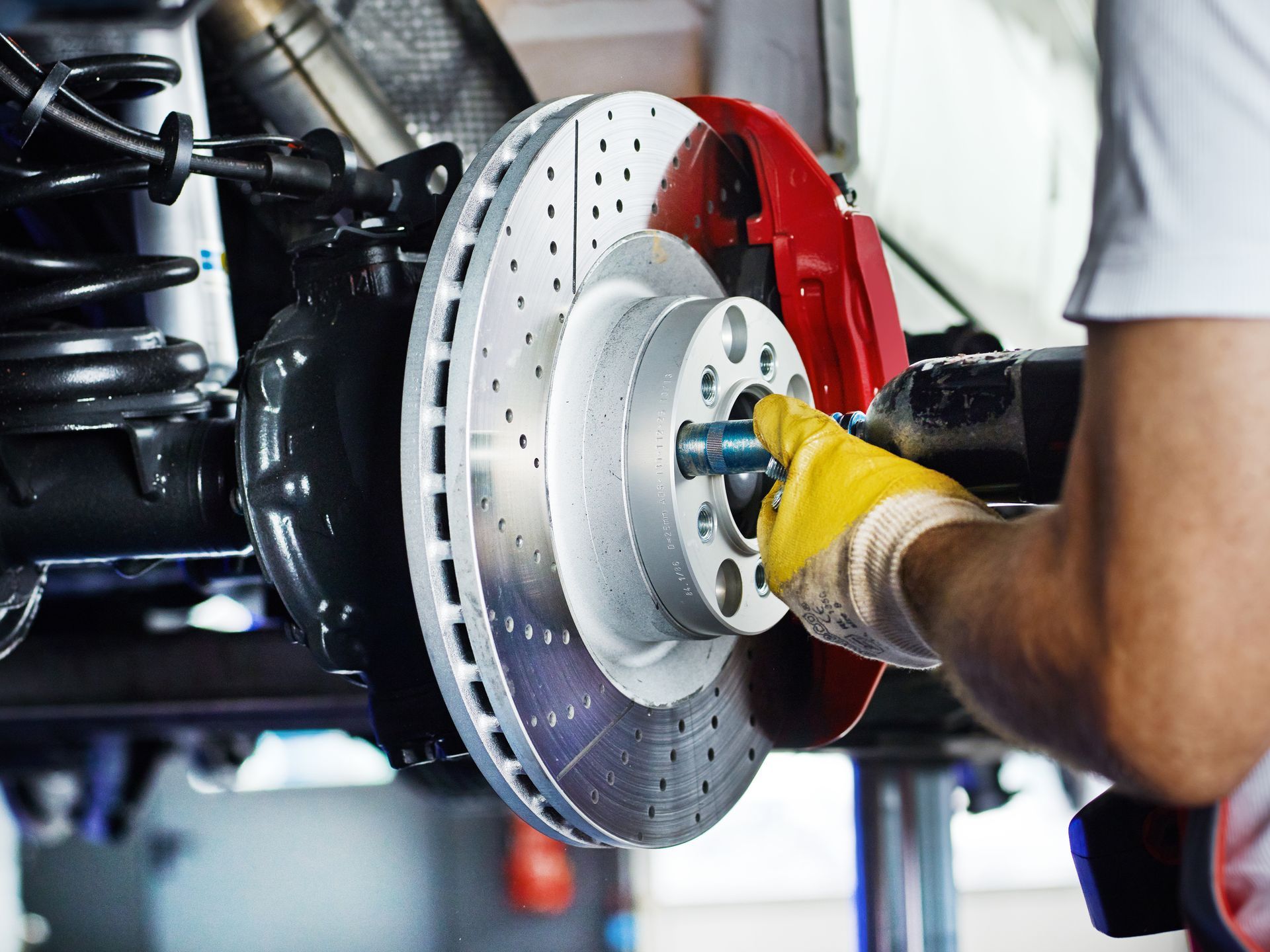
Tires usually cause vibration at certain speeds, whether you are accelerating or coasting. Still, they should not be ignored. Uneven tire wear, a bent wheel, a separated tire belt, worn control arm bushings, or loose suspension parts can all make a vibration feel worse when the vehicle is loaded uphill.
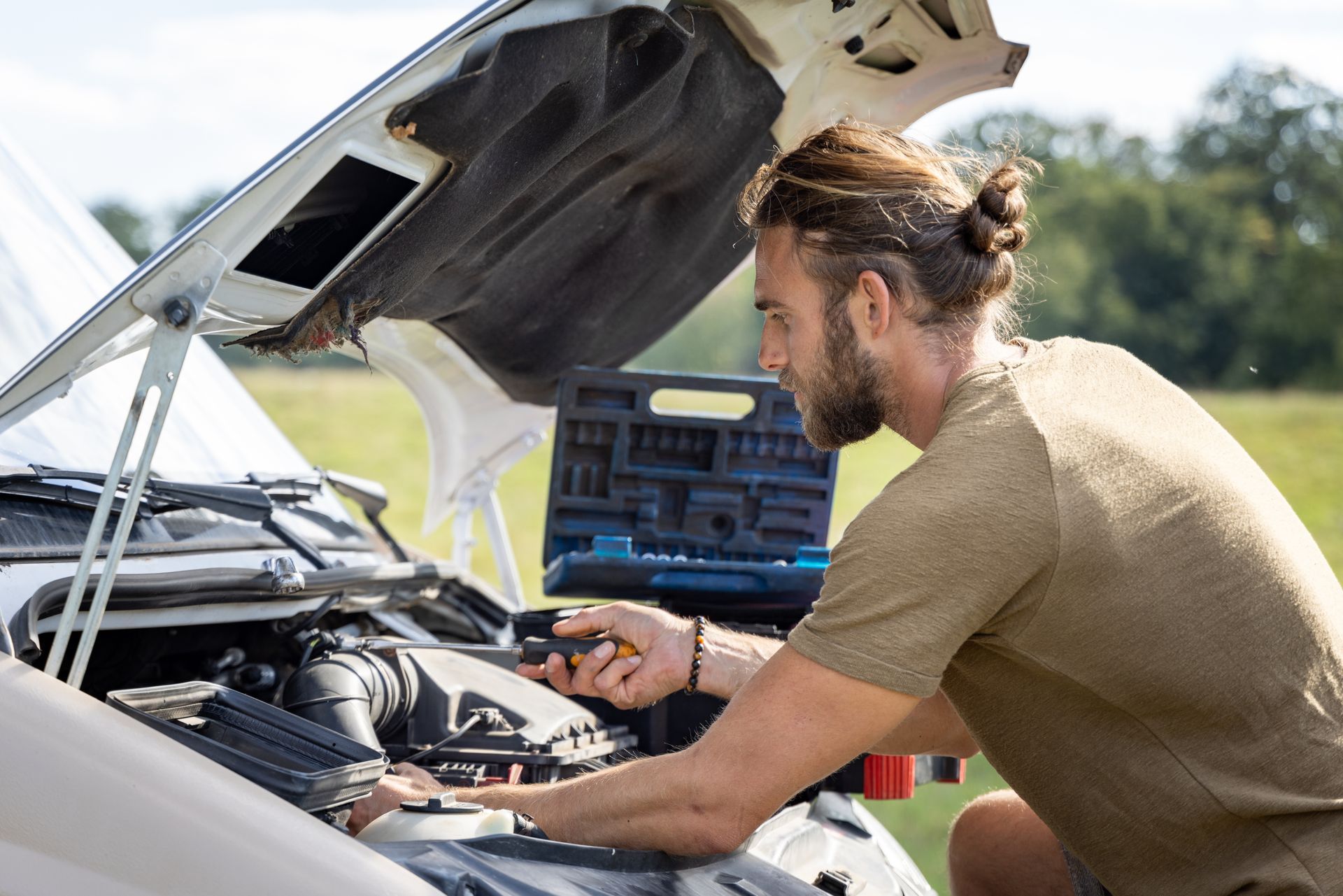
A good diagnostic should not stop at the engine just because the shake happens under acceleration. The vehicle needs a road test and a careful look at tires, wheels, suspension, mounts, axles, codes, fluid condition, and live engine data. That full check keeps the repair focused on the real cause.
Get Acceleration Vibration Repair In Spring Valley, CA, With Asmar's Auto Care
If your car shakes only when accelerating uphill, Asmar's Auto Care in Spring Valley, CA, can check the engine, transmission, mounts, axles, tires, and fuel system to identify the cause of the vibration.