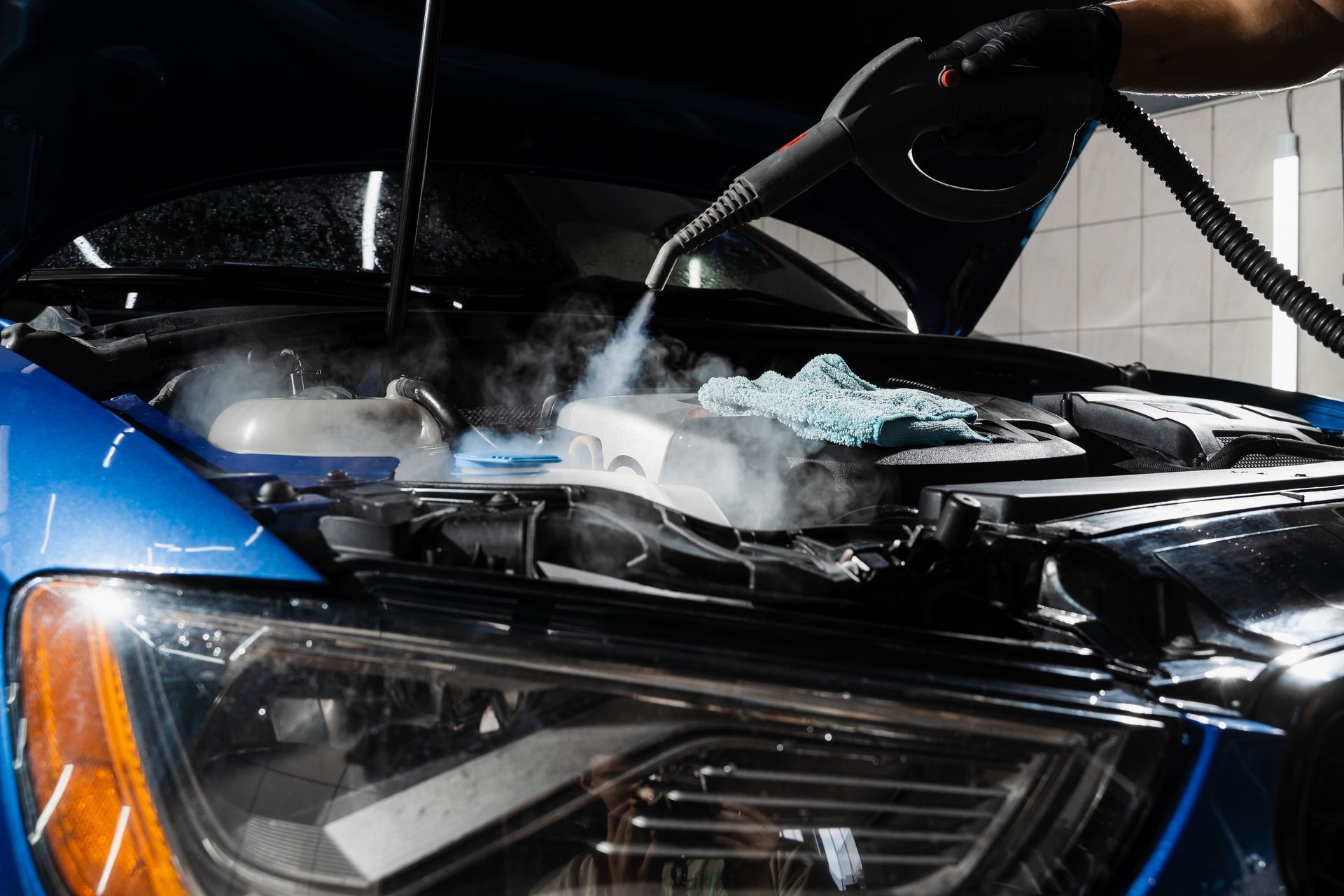
A split intake hose can change the way an engine runs without leaving anything on the driveway. You might notice an uneven idle, a whistle under the hood, or hesitation when pulling away. The leak changes how air reaches the engine, and the symptoms depend on where it is.
Some leaks let extra air enter after the system has measured it. Others allow pressurized air to escape on a turbocharged engine. At Asmar's Auto Care, we check the intake layout and the driving complaint together so the repair addresses the connection that's actually leaking.
Rough Idle From an Air Intake Leak
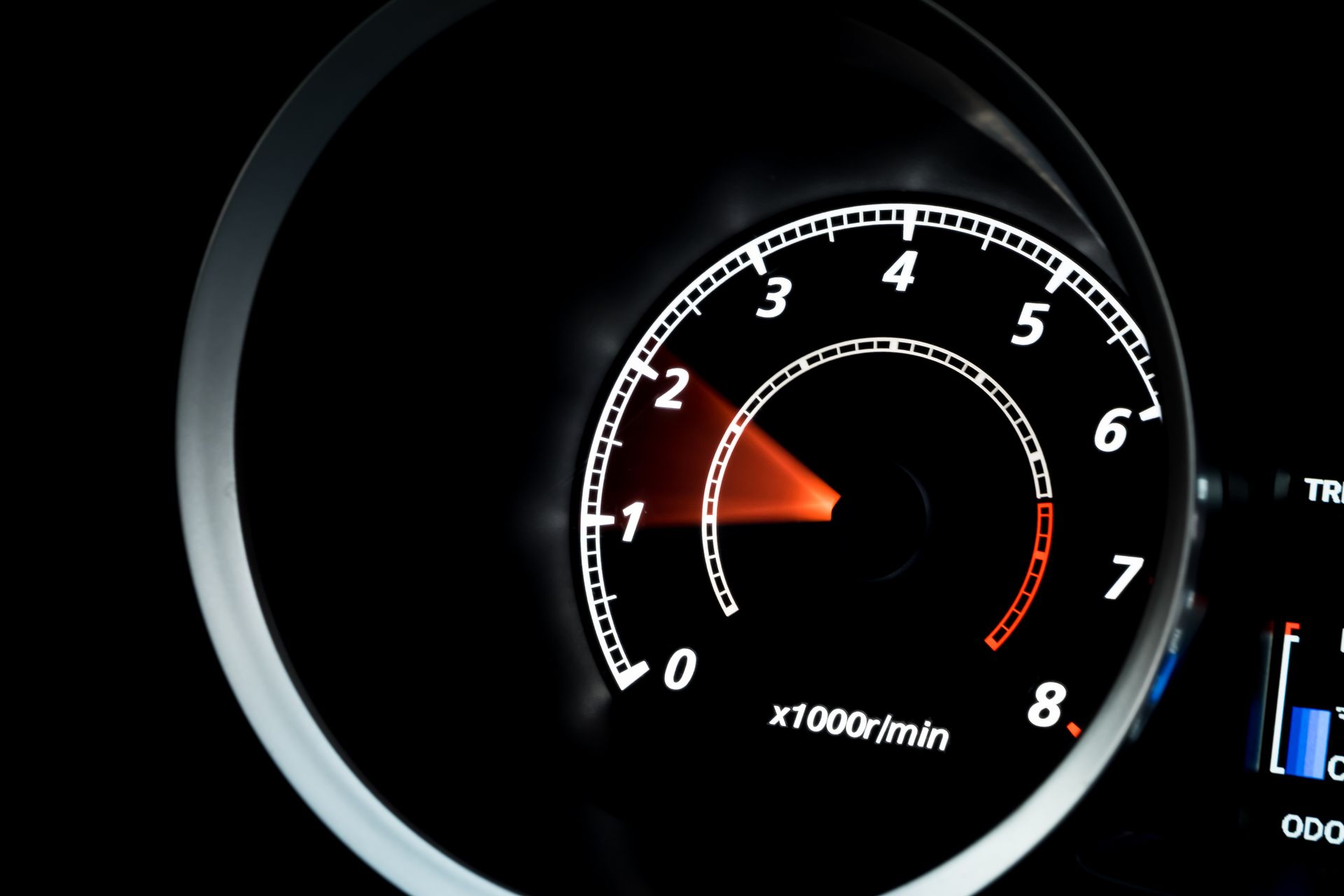
At idle, the engine uses a relatively small amount of air. Unwanted air entering through a split hose or failed seal can become a significant share of that supply. The result may be a shaking idle, unstable engine speed, or stalling as you come to a stop.
The engine controls try to correct the mixture using sensor feedback. Those adjustments sometimes keep the vehicle running reasonably well until the leak grows. You might first notice a warning light before the idle becomes obviously rough.
Tell us whether the engine smooths out when you press the accelerator or whether the roughness continues at road speed. That pattern helps us decide which readings and parts of the intake deserve closer inspection.
Whistling and Hissing From Intake Hoses
Air moving through a small opening can make a hiss or whistle. The sound may change with throttle position, engine load, or temperature. A cracked boot might open farther as the engine moves under acceleration.
We inspect accessible hoses, clamps, and joints for splits or poor seating. A hose that looks intact from above can have damage along a lower fold. Checking the whole connection is more useful than replacing the first part nearest the sound.
Keep hands and loose clothing away from moving belts and fans. If you can hear the noise safely from beside the parked vehicle, describe it or bring a recording. Leave close inspection around a running engine to the shop.
Hesitation and Reduced Power From Intake Leaks
During acceleration, the engine needs the correct amount of air and fuel. A leak that affects measurements can cause hesitation because the controls respond to an unexpected mixture. The exact symptoms vary with the engine's sensor arrangement.
On a turbocharged vehicle, a leak in the charge-air path allows some compressed air to escape. The car may feel short of its usual pull, especially during hard acceleration. A hiss under load or an underboost warning gives us useful information about where to begin.
The repair should match the affected side of the system. A vacuum-side air leak and a charge-air leak involve different operating conditions. We use the correct test pressure and procedure for the vehicle so testing doesn't damage parts not designed for excessive pressure.
Check Engine Lights Linked to Air Intake Leaks
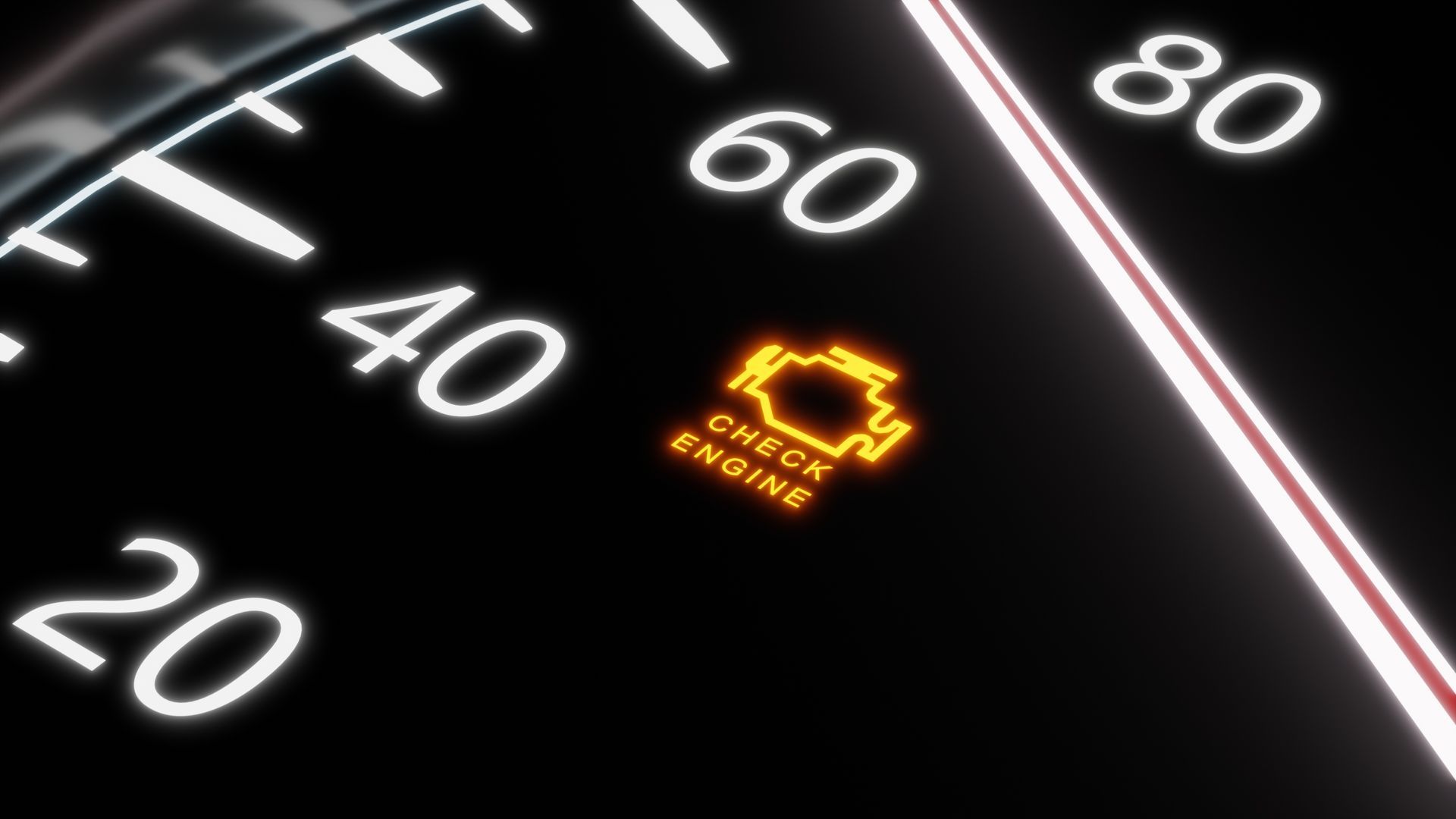
The engine's monitoring system notices mixture corrections or airflow readings outside the expected range. A lean-mixture code, for example, can lead us toward an intake leak check. Fuel delivery and sensor problems also belong in the review when the readings point that way.
Stored data helps show what the engine was doing when the warning appeared. Idle-related readings tell a different story from a warning recorded during acceleration. Keep codes stored when possible and bring any earlier scan results.
Buying a sensor from a code description alone risks leaving the leak in place. The code identifies a monitored condition. We check the air path and connected circuits to find why that condition occurred.
Common Places for Air Intake Leaks
Depending on the engine, inspection may include:
- Flexible intake boots and their folds
- Hose clamps and duct connections
- Intake manifold gaskets
- Crankcase ventilation hoses and valves
- Vacuum hoses connected to the intake
- Turbocharger charge pipes and seals
- Intercooler connections where fitted
Heat and age gradually affect rubber and plastic. Recent maintenance can also leave a connection partly seated or a clamp loose. Mention any work completed shortly before the symptoms began, even if it seemed unrelated to engine performance.
The correct repair uses parts and installation methods intended for the system. Tape around a split hose is an unreliable long-term solution under heat, vacuum, or boost. Restoring the connection properly gives the engine a stable air path.
How We Check for an Air Intake Leak
We begin with the complaint, visual inspection, and operating information. Smoke testing helps reveal openings in certain parts of the intake. The test follows the engine's required method and pressure so the results are useful and the components stay protected.
Live readings help us connect a visible leak with engine operation. We compare behavior at idle and other suitable conditions. That is particularly helpful when the control system has been compensating enough to make the symptom intermittent.
After the repair, we check the connection and review how the engine responds. A cold-idle complaint deserves a cold check, while a boost-related problem needs testing under its relevant conditions. The aim is a clear change in operation along with a sealed system.
When Intake Symptoms Need Prompt Attention
Book a check for persistent roughness, hesitation, or a new intake noise. If the check engine light flashes while the engine shakes, stop safely and arrange help. Continued misfiring can damage the catalytic converter.
A significant loss of power also deserves advice before another drive. Explain whether the car stalls at stops or struggles to accelerate into traffic. Those details help us discuss the safest way to bring it in.
Air Intake Leak Repair at Asmar's Auto Care
Asmar's Auto Care in Spring Valley, CA, can review intake noises, rough idle, and performance changes. Bring any warning information and explain when the symptom appears. We'll discuss the checks needed to locate the leak and the repair that follows.
Call
Asmar's Auto Care to arrange air intake testing before a developing leak disrupts more of your driving.