A lot of drivers hear the phrase performance brake pads and immediately assume they must be the better option. It sounds like an upgrade, and upgrades usually sound appealing. Better stopping power, better response, more confidence behind the wheel. At our shop, we get why people ask about them. If you are already replacing brake pads, it is natural to wonder whether stepping up to a performance pad is worth it.
The honest answer is that performance brake pads can be a great choice for the right driver and the right vehicle. They can also be the wrong choice if your car is mostly used for commuting, errands, and normal everyday driving. Like a lot of car parts, better on paper does not always mean better for your actual life.
Brake pads are all about balancing tradeoffs. Some are built for quieter operation and low dust. Some are built for longer life. Some are built to handle higher temperatures and more aggressive driving. Performance brake pads usually lean hard into grip and heat resistance, but that often comes with compromises in other areas.
From our perspective, the smartest move is not asking whether performance brake pads are good or bad. It is asking whether they match how you really drive.
What Performance Brake Pads Are Supposed To Do
Performance brake pads are designed to handle higher temperatures and more demanding braking conditions than many standard pads. They are often made from more aggressive friction materials that are better at maintaining stopping power during repeated hard braking.
That makes them appealing for drivers who push their vehicles harder than average. Maybe the car is driven spiritedly on back roads. Maybe it sees mountain descents, towing, or heavy highway use. Maybe it is a sportier vehicle where the owner wants a firmer, more responsive brake feel. In those situations, performance pads may offer real advantages.
At our shop, we usually explain it like this. A standard pad is designed to be a great all around daily driver choice. A performance pad is often designed to do better under stress.
One Of The Biggest Pros Is Better Heat Handling
Brakes create heat every time they are used, and harder braking creates more of it. One of the biggest advantages of performance brake pads is that they usually handle heat better than many standard options.
That matters because heat is what can make brakes feel weaker, less consistent, or more prone to fade when they are worked hard over and over. If you drive in conditions where the brakes get hot often, a performance pad may keep its stopping ability more consistently than a standard pad would.
This can be especially helpful for:
- Sporty driving
- Mountain roads
- Towing
- Heavy stop and go use
- Vehicles that carry extra load often
For the right driver, that extra heat resistance is one of the strongest arguments in favor of upgrading.
They Can Improve Brake Feel And Response
Another reason people like performance brake pads is the way they can change the feel of the pedal. In many cases, the brakes feel stronger, sharper, or more immediate. Some drivers describe it as more bite when they first press the pedal. Others just like the increased confidence that comes from a more responsive feel.
That can make the car feel more connected and more capable, especially if the factory brake setup felt soft or less engaging than the driver wanted. From our side of the shop, this is one of the most noticeable differences for people who truly enjoy driving and want the car to feel more precise.
They May Be A Better Match For Some Vehicles
Not every vehicle is being used as a simple daily commuter. Some cars are heavier, more powerful, or driven in ways that make standard pads feel less ideal. A performance oriented sedan, a sport coupe, or a modified vehicle may genuinely benefit from pads built for more demanding use. In those cases, performance brake pads are not about showing off. They are about choosing a friction material that better matches the vehicle and the way it is driven.
The Cons Start With More Noise
Now for the tradeoffs, because there are definitely some. One of the most common downsides to performance brake pads is noise. Many of them are simply louder than standard pads, especially when cold or during light braking.
A little squeak or brake noise may be normal with certain performance pad materials. Some drivers do not mind that at all. Others absolutely hate it. If quiet, smooth daily operation matters a lot to you, performance pads may disappoint you even if they work exactly as designed.
Brake Dust Is Often Worse
Another common complaint is brake dust. Performance pads often create more visible dust on the wheels than more comfort focused daily driver pads. If you care a lot about keeping your wheels clean, this can get annoying fast. This is one of those practical downsides people forget to ask about until they have already made the switch.
Some Performance Pads Need Heat To Feel Their Best
This is a big one that surprises people. Some performance brake pads are not actually at their best when cold. They may need a little heat in them before they deliver the kind of bite and feel they were designed for.
For a driver who uses the car aggressively, that may not matter much. For someone doing normal grocery runs, commuting, and casual city driving, that can mean the brakes feel less impressive than expected during everyday use.
They Can Be Harder On Rotors
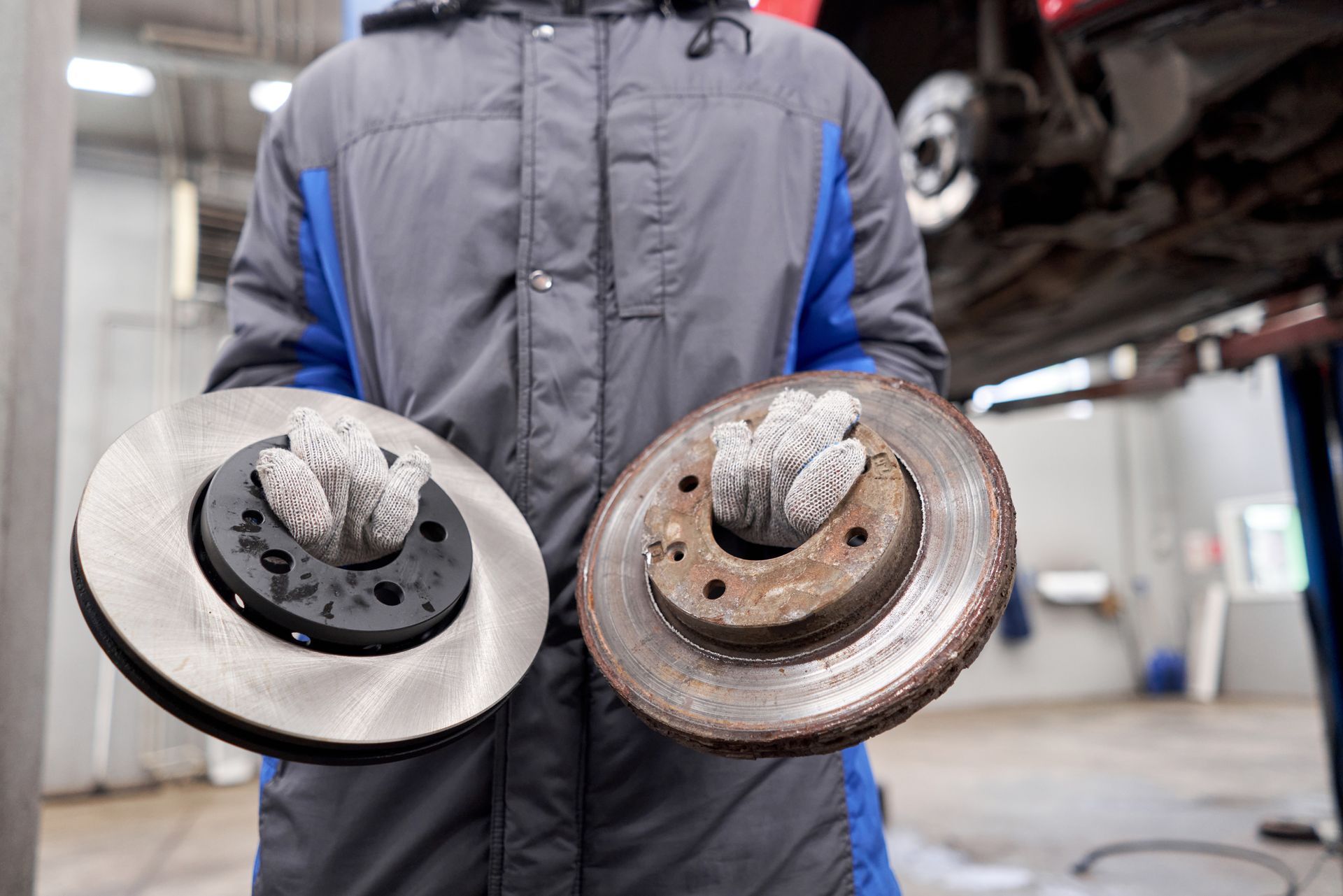
More aggressive pad materials can sometimes wear rotors faster than softer, more comfort focused pad compounds. Again, not every performance pad behaves the same way, but it is a real tradeoff worth understanding.
If the pad is designed for stronger bite and higher heat performance, the rotor may give up a little more in return. Some drivers are perfectly fine with that because they want the braking performance. Others would rather maximize rotor life and reduce long term maintenance cost.
The Best Choice Depends On How You Actually Drive
This is really the center of the whole question. Performance brake pads can absolutely be a smart upgrade, but only if they match the way the vehicle is used.
If your driving is mostly daily commuting, school pickup, errands, and regular traffic, a high quality standard pad is often the better fit. You will likely get quieter operation, less dust, smoother cold performance, and a better overall daily experience.
If you drive harder than average, put the brakes under more heat, or want a sharper brake feel and are willing to accept more noise and dust, performance pads may be a very good match.
The right answer is not about buying the most aggressive pad. It is about choosing the pad that best fits your actual driving style.
Pros And Cons In Simple Terms
Here is the short version we usually give customers:
Pros
- Better heat resistance
- Stronger braking feel in demanding conditions
- Better fit for sporty or heavy duty use
- More confidence under repeated hard braking
Cons
- More noise
- More brake dust
- Possible reduced rotor life
- May feel less ideal in everyday low stress driving
That is the tradeoff. More performance usually means giving up a little comfort and cleanliness.
Talk To The Shop Before Upgrading
At our shop, we never like the idea of brake pad upgrades being chosen by label alone. Performance sounds exciting, but the best brake pad for your car is the one that matches your driving habits, your expectations, and the way you want the vehicle to feel day to day.
If you are thinking about upgrading to performance brake pads, bring your vehicle to
Asmar's Auto Care in Spring Valley, California. We can talk through how you drive, explain the tradeoffs clearly, and help you choose the right brake pad setup for your car.